Occupational Therapists
When people think of healthcare, they usually picture doctors and nurses. Occupational therapists rarely come to mind, even though their work changes lives. They help people who struggle with everyday tasks get those tasks back, and that support also takes pressure off families and the wider healthcare system. Nobody can look after a loved one with an illness or disability around the clock, and therapy is often a key part of recovery. Think about how hard life gets when the simplest tasks become difficult.
What’s the role of Occupational Therapists?
According to the American Occupational Therapy Association (AOTA), occupational therapy is the only profession that helps people across the lifespan to do the things they want and need to do, usually through the therapeutic use of daily activities. Occupational therapists help people of all ages live life to its fullest. They help promote health, and help people prevent injury, illness or disability, or live better with it. It is important work, yet it often goes unrecognized.
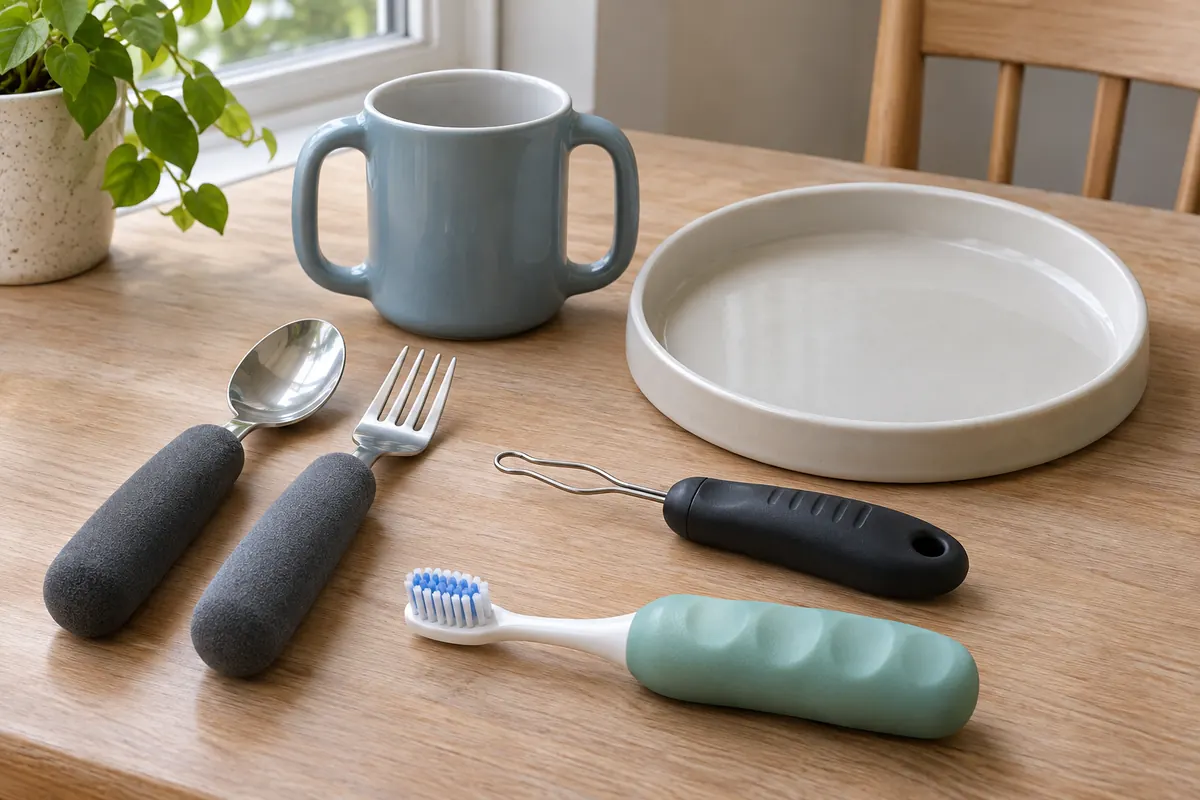
Common occupational therapy work includes helping children with disabilities take part fully in school and social life, helping people recovering from an injury regain skills, and supporting older adults going through physical and cognitive changes. The difference this makes can be huge. Living with a disability can leave people feeling low and helpless, and an OT can help bring back a sense of normal life. For children who find basic tasks hard, that might mean brushing their teeth, getting dressed or doing their homework.

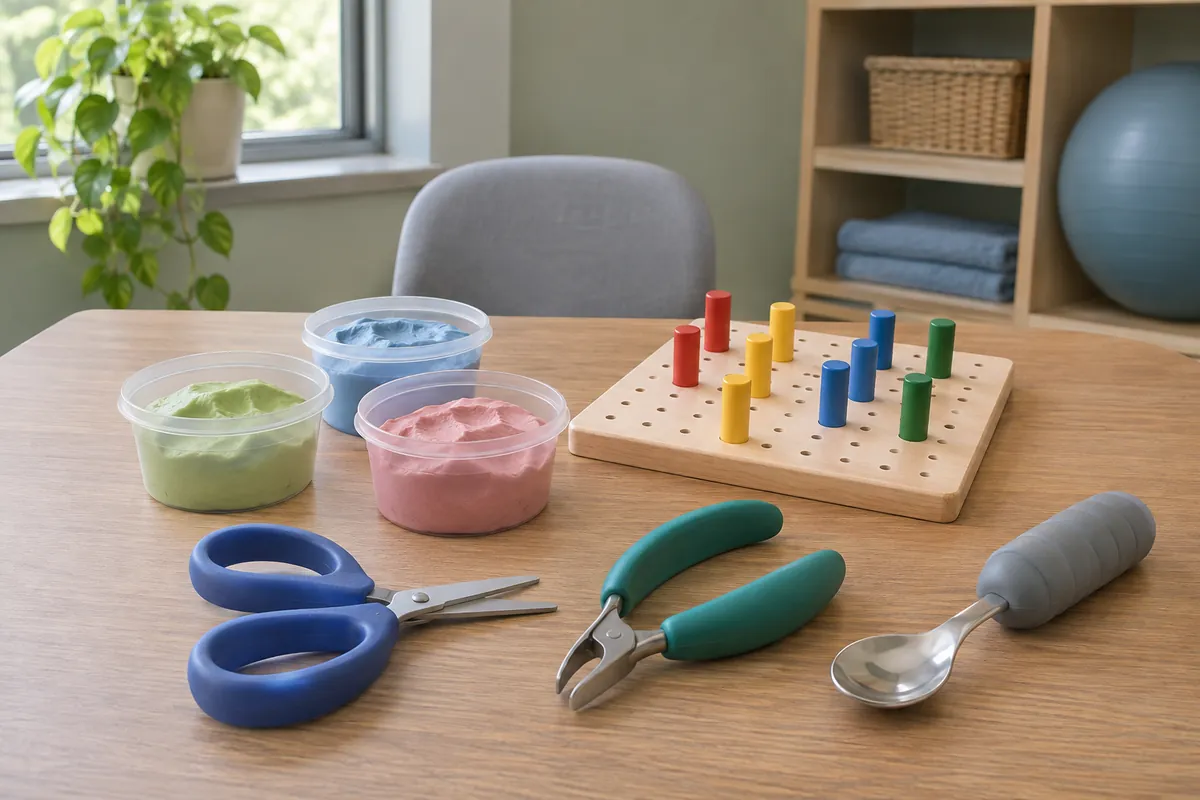
If you have watched an OT session with a child, it can look like play. What you may not see is the thinking behind it: the therapist works out which muscles need to be activated and which movements the child needs to practice. According to Cincinnati Children’s, motor learning and repetition, doing things over and over again, is what brings about change. A condition that affects a child’s development can touch every area of it: social, cognitive, speech and fine motor skills. The goal is to help the child become more independent. OTs use evidence-based care, which means they look at the evidence to choose the best intervention for each child and their condition. They work in episodes of care and focus on what matters most to the patient, with a targeted plan rather than a one-size-fits-all approach. They work on the simple tasks that shape a child’s daily life, aiming for real progress in a short time instead of long, drawn-out therapy. When it works, it is a great experience for the child.
Why is the profession underrated? A common misconception is that occupational therapy is only, or mainly, about getting people back to work. That probably comes from the word “occupational”. In this context, it means any purposeful activity in daily life, not just a job. The U.S. Bureau of Labor Statistics has counted about 133,000 occupational therapists in the US, which is not many. OTs take a practical approach, and their goal is lasting, positive change in daily life. The work takes patience and compassion. Recovery often takes a long time, and OTs stay with their patients through it. It is hard to do this job well without real passion for it.
Occupational therapists play a big part in patient care, and that deserves more recognition and support from the healthcare system. Right now it does not get the credit it deserves. So what can you do? If an OT helped you recover, say so on social media. A simple shoutout means a lot and shows how grateful you are. Parents of children in therapy and families of older patients can do the same. If you get the chance to share your story at church or in front of your community, mention your OT there too. Maybe they helped you recover after a serious accident or a difficult illness. Whatever part faith played, your OT was part of it as well. We hope the profession one day gets the attention it deserves.
For footwear advice to share with clients and families, see our complete guide to adaptive shoes, our guide to shoes that fit over AFOs and SMOs and our guide to shoes for caregivers.