Complete Guide
Diabetic Shoes Guide
How to Protect Your Feet and Stay Active with the Right Footwear
589M
people worldwide living with diabetes
6.3%
of diabetics develop foot ulcers
85%
of amputations are preventable
Scroll to explore
If you're living with diabetes, the shoes you wear aren't just a style choice. They're a critical part of protecting your health. With approximately 589 million people worldwide living with diabetes, foot complications remain one of the most serious yet preventable risks.
Studies show that diabetic foot ulcers affect roughly 6.3% of adults with diabetes, and these seemingly minor wounds can lead to severe infections, hospitalization, and even amputation. The encouraging news? Most diabetic foot complications are preventable with proper footwear selection and daily care.
This comprehensive guide will walk you through everything you need to know about choosing diabetic friendly shoes, understanding why foot protection matters, and finding diabetic friendly footwear that keeps you comfortable, safe, and active.
Diabetic Friendly Products
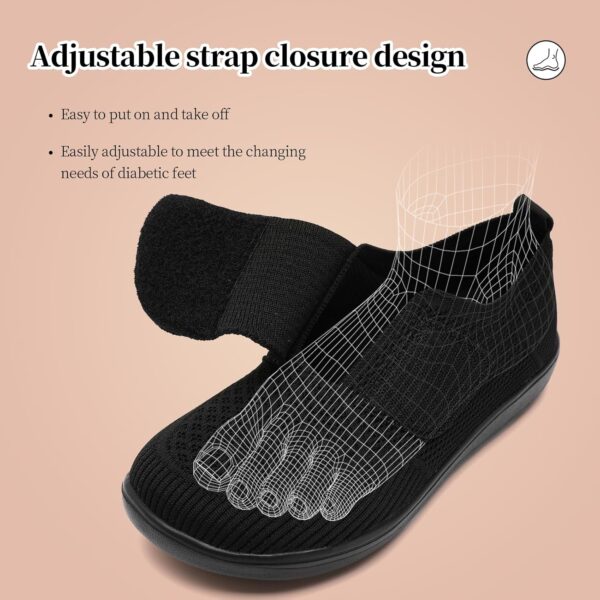
Diabetic Shoes for Women Wide Toe Box Adjustable Slip On Orthopedic Sneakers Zapatos para Diabéticos Mujer Comfortable Walking Women Shoes for Swollen Feet
View
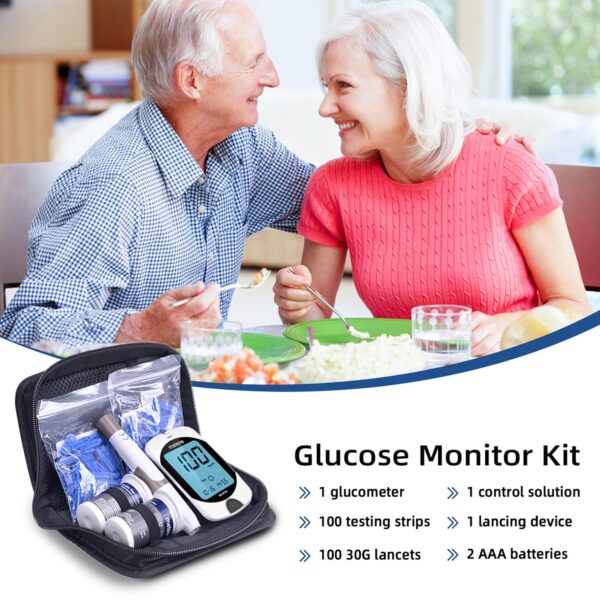
Metene TD-4116 Blood Glucose Monitor Kit, 100 Glucometer Strips, 100 Lancets, 1 Blood Sugar Monitor, Blood Sugar Test Kit with Control Solution, Lancing Device, No Coding, Large Display
View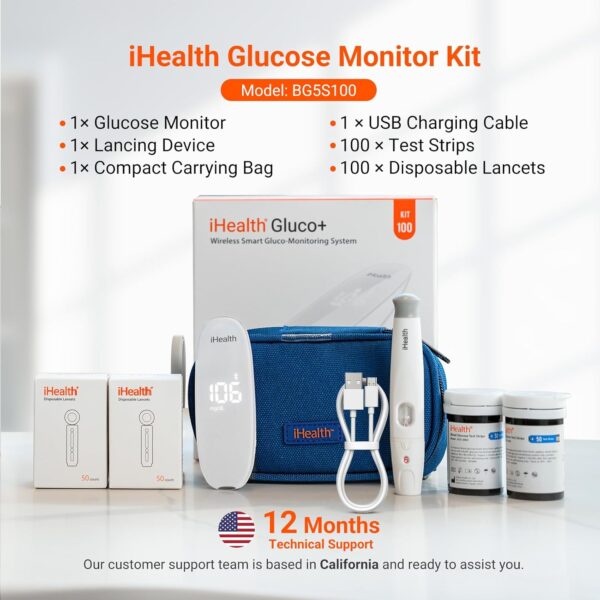
iHealth Gluco+ Wireless Smart Blood Glucose Monitor Kit with Free App, 100 Glucometer Strips, 100 Lancets, 1 Blood Sugar Monitor, 1 Lancing Device, Portable Diabetes Testing Kit for Home Use
View
Glucerna Original Diabetes Care Shake, Homemade Vanilla, Diabetic Meal Replacement to Support Blood Sugar Management, 10g Protein, 180 Calories, Ready to Drink, 8-fl-oz Bottle, 24 Pack
View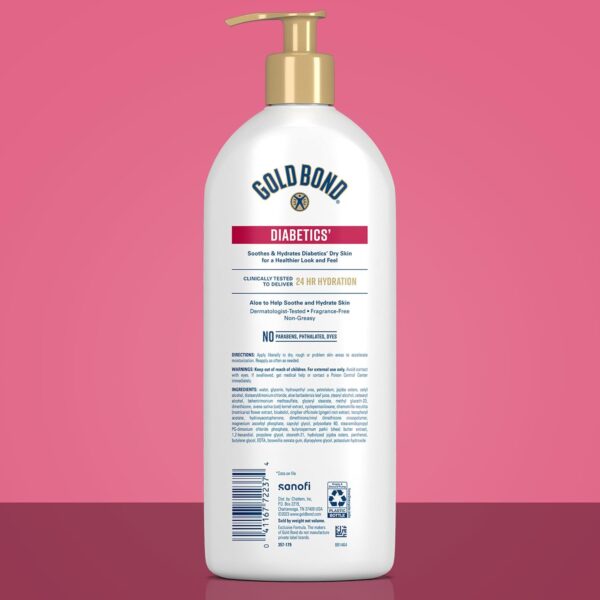
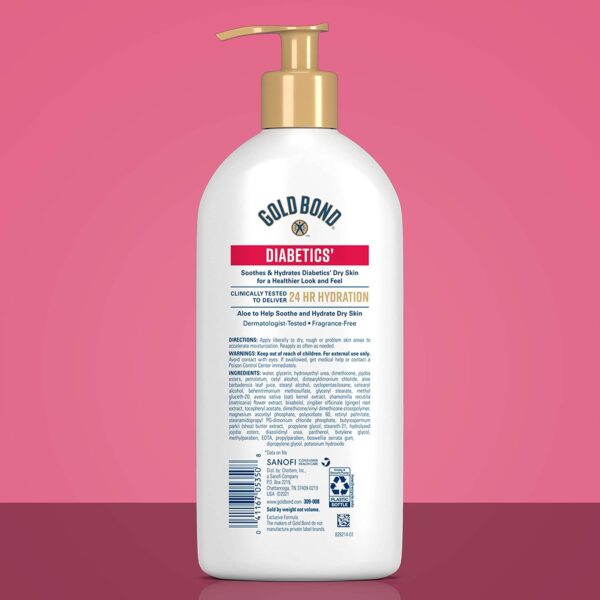
Gold Bond Diabetics' Dry Skin Relief Body Lotion With Vitamin E & Aloe To Soothe & Moisturize Dry, Flaky & Rough Skin, Value Size, 21 oz.
View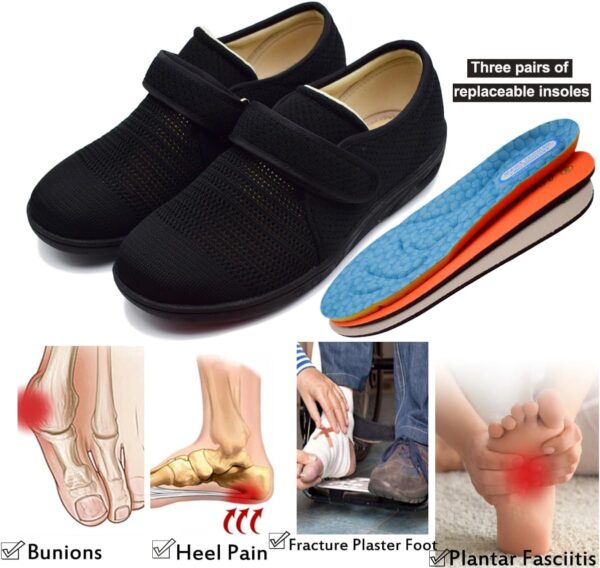
Mei MACLEOD Women's Diabetic Shoes, Edema Shoes for Swollen Feet Wide Walking Shoes for Elderly Plantar Fasciitis
View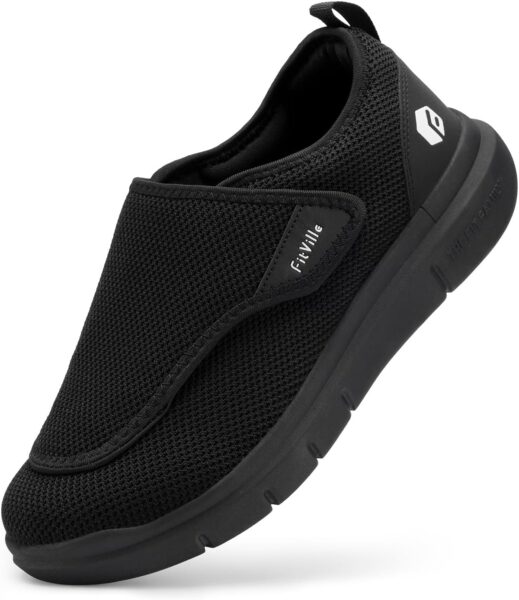
FitVille Diabetic Shoes for Men Extra Wide Slip-on Shoes for Swollen Feet Adjustable Walking Shoes for Elderly Foot Pain Relief Neuropathy - EasyTop Wings
View
01
Why Diabetic Shoes Matter: Understanding the Risks
Diabetes creates unique challenges for foot health. Understanding these risks is the first step toward preventing serious complications.
Nerve Damage (Neuropathy)
High blood sugar levels can damage the nerves in your feet over time, leading to diabetic neuropathy. This condition reduces your ability to feel pain, heat, or cold in your feet.
What does this mean? A small pebble in your shoe, a blister from tight footwear, or a cut from walking barefoot might go completely unnoticed. Without pain signals alerting you to the problem, minor injuries can worsen into serious infections before you even realize they exist.
Circulation Challenges
Diabetes can impair blood flow to your extremities, particularly your feet. Poor circulation means your body has a harder time delivering the nutrients and immune cells needed to heal wounds.
A simple blister that might heal in days for most people could take weeks for someone with diabetes, and each day that wound remains open increases infection risk.
The Domino Effect of Complications
When neuropathy and poor circulation combine, the results can be devastating. A study published in Open Forum Infectious Diseases found that diabetic foot ulcer recurrence rates reach as high as 65% within five years.
These recurring wounds can lead to chronic infections, bone damage (osteomyelitis), and in severe cases, amputation. The right footwear creates a protective barrier against these preventable injuries.
02
6 Essential Features to Look for in Diabetic Shoes
Not all comfortable shoes protect diabetic feet. Here are the critical features that distinguish truly diabetic-friendly footwear.
1
Wide, Deep Toe Box
Your toes need space to move freely without rubbing against the shoe. Look for a toe box that's both wide and deep. There should be about a thumb's width of space between your longest toe and the end of the shoe. Cramped toes lead to friction, blisters, and pressure points.
2
Seamless Interior Lining
Interior seams can create friction points that cause blisters, which is dangerous for feet that can't feel pain. The best diabetic friendly shoes feature smooth, seamless linings that eliminate potential irritation. Run your hand inside the shoe; you shouldn't feel any raised stitching.
3
Extra Depth for Orthotics
Many people with diabetes benefit from custom orthotics or diabetic insoles prescribed by their podiatrist. Standard shoes often can't accommodate these inserts without becoming too tight. Extra-depth shoes provide the room needed without compromising fit.
4
Cushioned, Supportive Insoles
Look for dual-density memory foam or EVA insoles that absorb shock and distribute pressure evenly across your foot. Removable insoles are ideal because they can be replaced with custom orthotics or swapped out when worn. Good arch support helps prevent foot fatigue and reduces pressure on sensitive areas.
5
Breathable Materials
Moisture trapped against skin creates a breeding ground for bacteria and fungal infections, both particularly risky for diabetic feet. Shoes made from breathable leather, canvas, or quality mesh fabric help keep feet dry and reduce infection risk.
6
Adjustable Closures
Diabetic feet often experience swelling that fluctuates throughout the day. Adjustable closures like laces, velcro straps, or zippers let you customize the fit as needed. Avoid slip-on shoes that can't be adjusted to accommodate swelling.
What to Avoid: Footwear That Puts Your Feet at Risk
High Heels & Pointed Toes
Create excessive pressure on the forefoot and squeeze toes together, increasing blister and ulcer risk.
Flip-Flops & Open Shoes
Leave feet exposed to injury from stubbed toes, dropped objects, and environmental hazards.
Prominent Interior Seams
Can cause friction and irritation leading to blisters that may go unnoticed due to neuropathy.
Loose Slip-On Styles
Without proper adjustment, feet can slide inside causing friction and instability when walking.
Diabetic Friendly Products
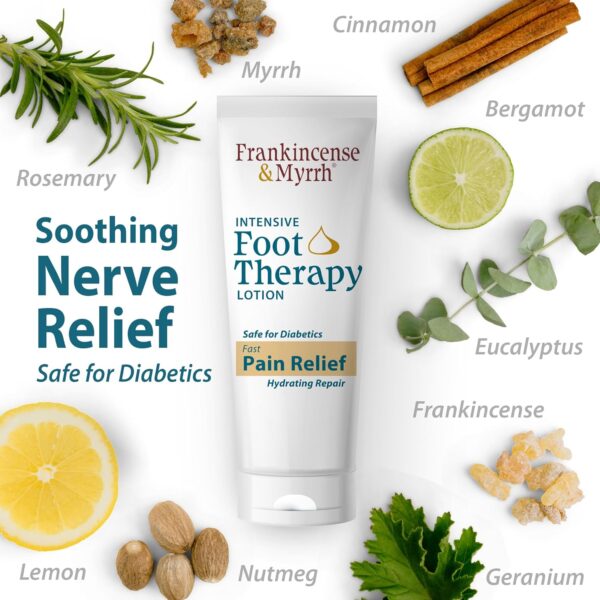
Frankincense and Myrrh Foot Pain Relief Cream - Intensive Foot Therapy Lotion - Diabetic Nerve Pain Relief Cream | Restless Leg Syndrome | Frankincense Essential Oil, 3 Ounce (1-Pack)
View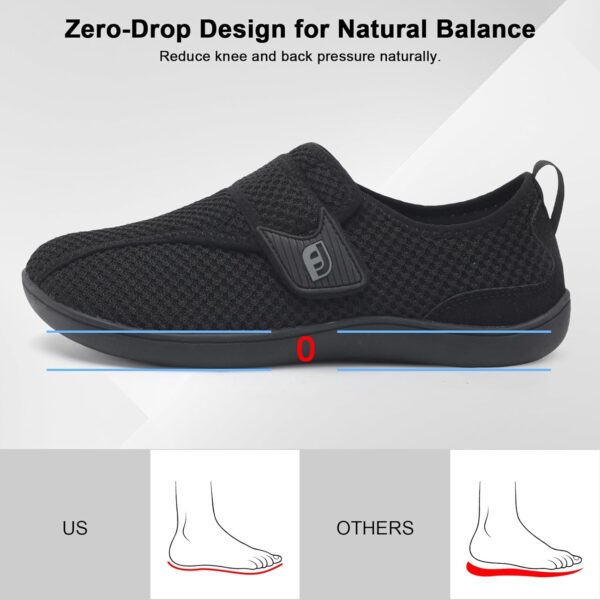
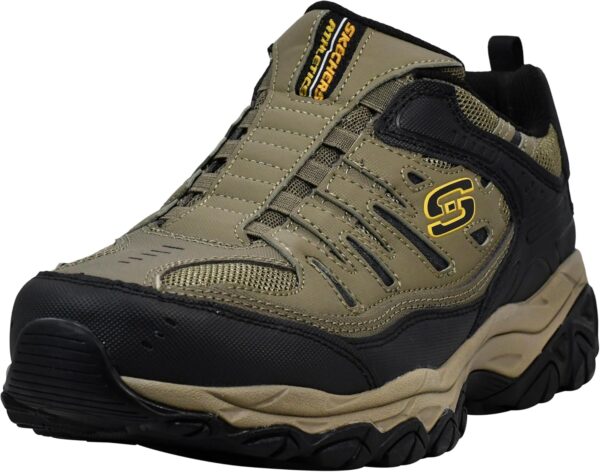
JOINFREE Diabetic Wide Walking Shoes for Women & Men with Adjustable Upper, Zero Drop Non Slip Casual Sneakers Comfortable for Edema, Arthritis, Swollen Feet & Elderly
View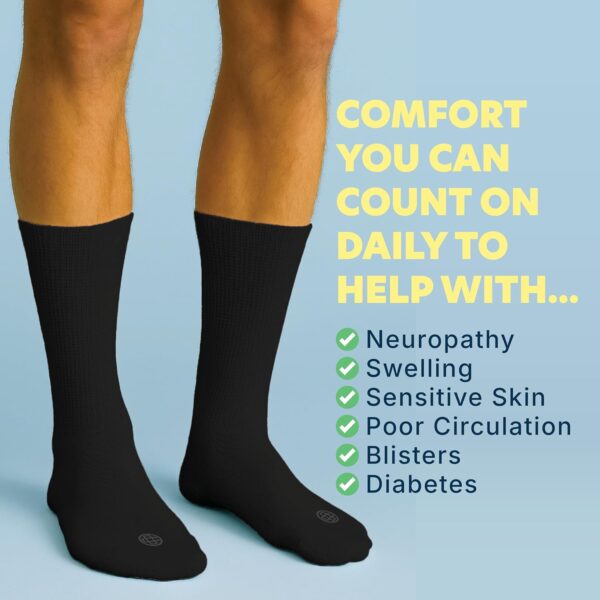
Doctor's Choice Diabetic Socks for Men, Seamless Socks with Non Binding Top, 4 Pairs, Large 9-12 & X-Large 13-15
View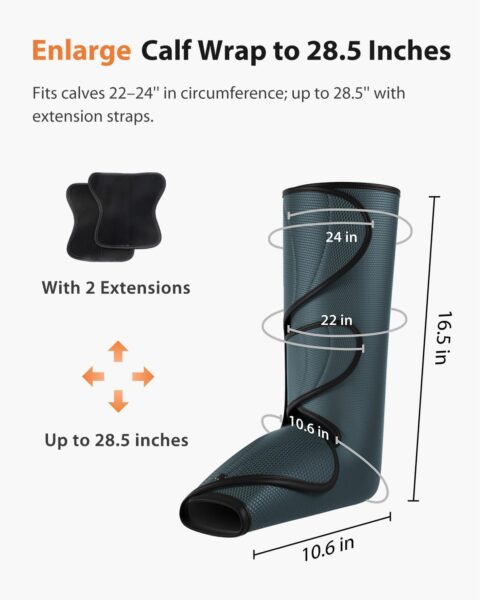
CINCOM Leg Massager with Heat and Compression, Legs Massage for Circulation and Pain Relief, Heating Calf Leg Air Compression Massager Help with Relief Edema
View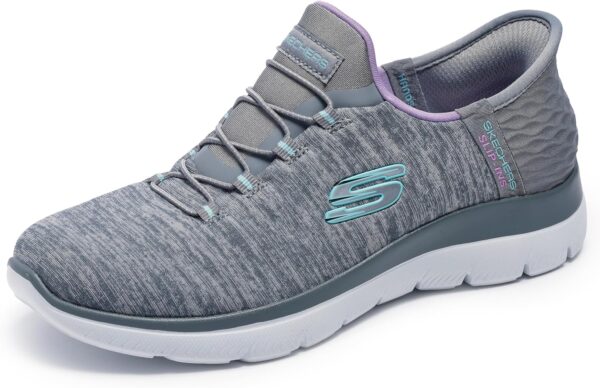
03
How to Find the Right Fit: Expert Shopping Tips
Even the best diabetic shoes won't protect your feet if they don't fit properly. Follow these expert guidelines for your next shoe purchase.
Shop in the Afternoon or Evening
Your feet naturally swell throughout the day. Shopping later ensures you're buying shoes that accommodate your feet at their largest, preventing tight fits that could cause problems.
Measure Both Feet Every Time
Foot size changes over time, and one foot is often larger than the other. Always measure both feet and choose shoes that fit the larger foot. Don't assume your size from previous purchases.
Walk Around the Store for Several Minutes
Take your time testing shoes. Walk on different surfaces if possible. Pay attention to any areas of pressure or rubbing. If something feels uncomfortable in the store, it will only get worse with extended wear.
Bring Your Custom Orthotics to the Fitting
If you use prescription insoles or orthotics, bring them when shoe shopping. This ensures the shoes have adequate depth and still fit properly with your inserts in place.
Consult a Podiatrist or Certified Pedorthist
A foot care professional can assess your specific needs and recommend appropriate footwear. They may identify fit issues or risk factors you wouldn't notice on your own. Consider professional fitting at least annually.
Diabetic Friendly Products
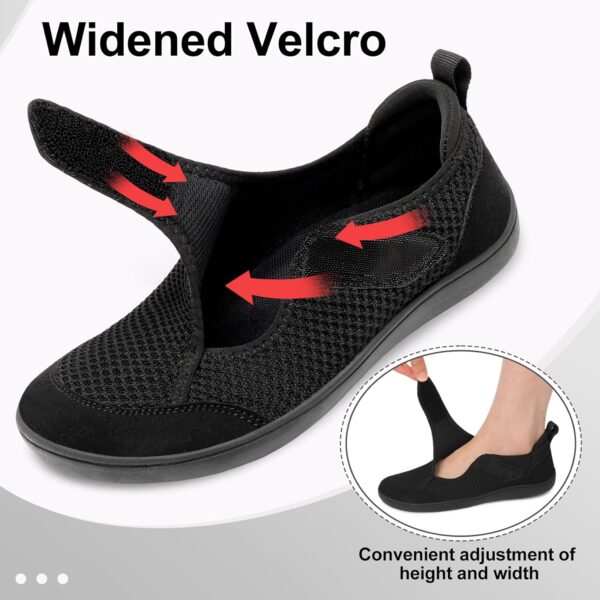
LeIsfIt Womens Wide Diabetic Shoes Adjustable Barefoot Walking Shoes Breathable Zero Drop Sneakers for Wide Width Arthritis Edema Feet
View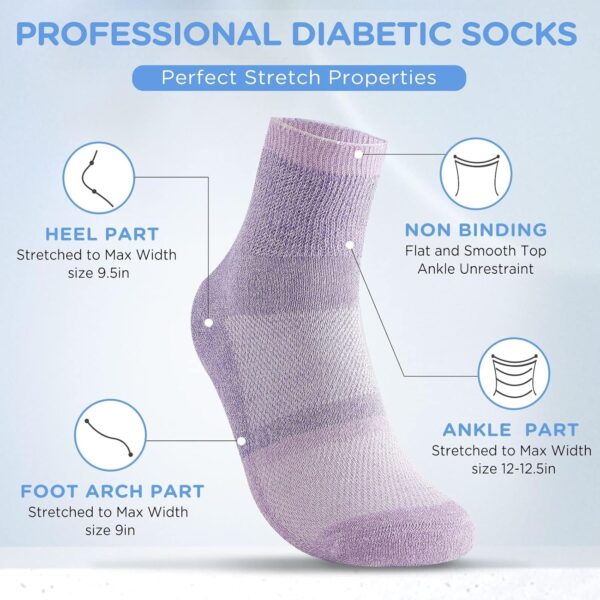
Bulinlulu Bamboo Viscose Diabetic Socks, 6 Pairs Non Binding Ankle Socks, Reinforced Toe, Size 6-9/9-11/13-15
View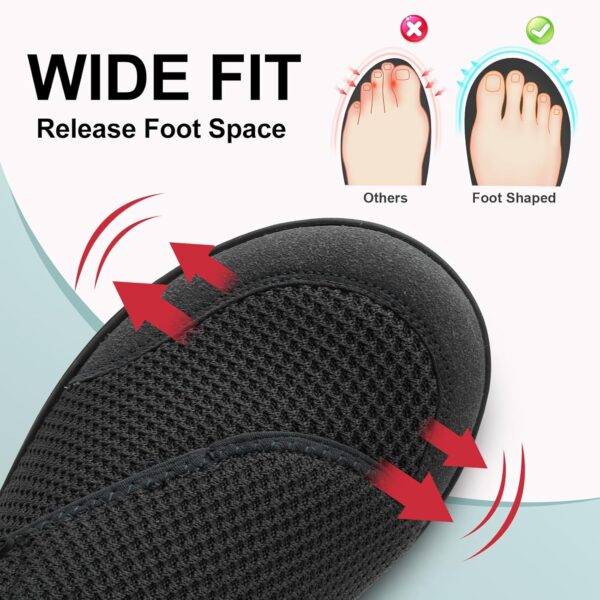
LeIsfIt Mens Wide Diabetic Shoes Adjustable Barefoot Walking Shoes Breathable Zero Drop Sneakers for Wide Width Arthritis Edema Feet
View
CeraVe Moisturizing Cream for Diabetics’ Dry Skin, Urea Cream with Bilberry for Face and Body, Fragrance Free & Paraben Free, 8 Ounce
View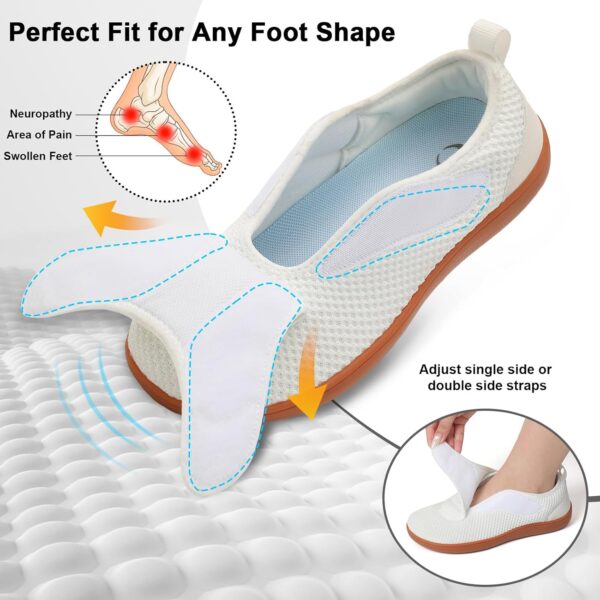
Womens Walking Shoes Comfortable Wide Diabetic Shoes Adjustable Elderly Neuropathy Bunion Swollen Feet Nursing Shoe Breathable Indoor Outdoor Flat Slippers
View
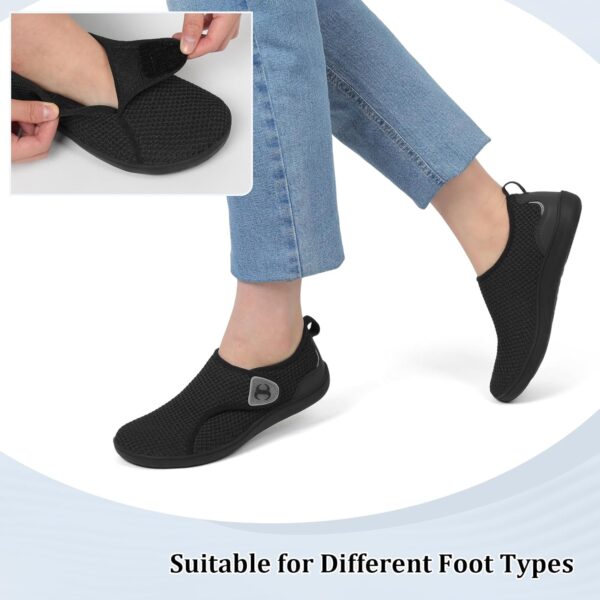
Womens Walking Shoes Comfortable Wide Diabetic Shoes Adjustable Zero Drop Edema Shoe Breathable Neuropathy Nursing Shoes Casual Wide Width Sneakers
View
04
Diabetic-Friendly Shoes from Friendly Shoes
Designed with comfort and protection in mind, these adaptive shoes check all the boxes for diabetic foot care.
Best for Wide Feet

Excursion Wide
Built specifically for those who need extra width and protection, the Excursion Wide offers unmatched comfort for diabetic feet.
Key Features for Diabetic Feet:
- Extra-wide fit: Deep toe box for maximum protection
- Removable memory foam insoles: For custom orthotic use
- Soft, breathable linings: Reduces friction and irritation
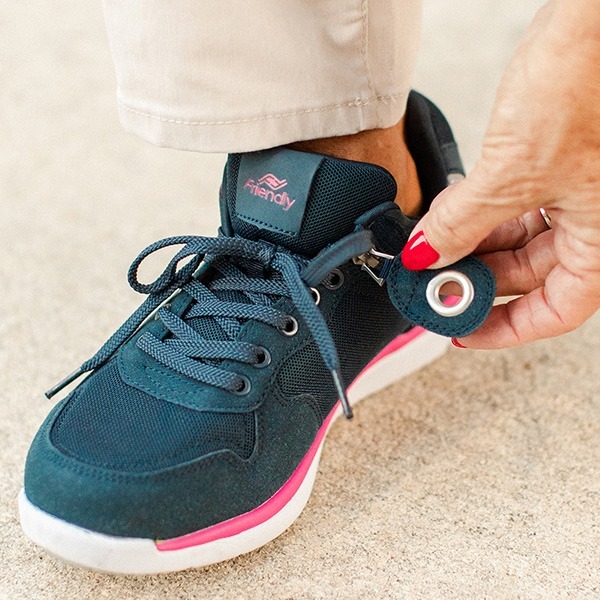
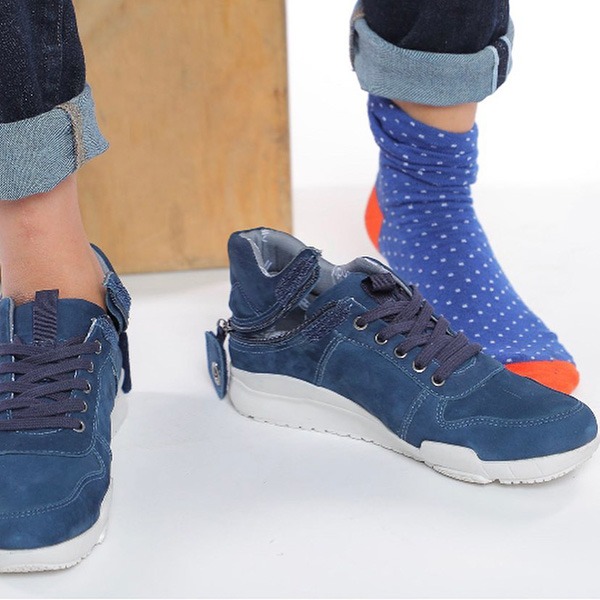
- Rear zipper: Easy on/off without bending
Best for: Those with wide feet, swelling, or who need extra room for custom orthotics. The extra-wide design accommodates diabetic foot changes.
Why it works: The combination of stretch fabric and adjustable closures means these shoes adapt to changing foot sizes throughout the day.
Explore Excursion ShoesLightweight & Easy

Voyage
Ultra-lightweight and easy to put on, the Voyage is perfect for daily wear and those with limited mobility.
Key Features for Diabetic Feet:
- Front zipper access: Larger entry portal for easy access
- Dual-density memory foam: Removable insoles for orthotics
- Padded collar and tongue: Extra comfort and protection
- Under 9 ounces: Featherlight design reduces fatigue
Best for: Those with limited mobility or who struggle with bending. Perfect for daily wear when you need to get out quickly.
Why it works: The front zipper means you can put these on while sitting down without any awkward bending or reaching.
Explore Voyage Shoes
05
Daily Foot Care Tips for People with Diabetes
Good shoes are just part of the equation. These daily habits help protect your feet and catch problems early.
Daily Foot Inspections
Check your feet every day for cuts, blisters, redness, or swelling. Use a mirror or ask someone to help you see the bottoms of your feet.
Never Go Barefoot
Always wear shoes or slippers, even indoors. This protects against cuts, punctures, and injuries that could lead to serious infections.
Wear Moisture-Wicking Socks
Choose diabetic socks made from moisture-wicking materials without tight elastic bands. Keep feet dry to prevent fungal infections.
Daily Cleaning with Lukewarm Water
Wash feet daily with lukewarm water (not hot, as neuropathy can prevent you from feeling burns). Dry thoroughly, especially between toes.
Careful Toenail Trimming
Cut toenails straight across, not too short, and file edges smooth. If you have trouble seeing or reaching, visit a podiatrist for regular nail care.
Regular Podiatrist Visits
Schedule regular checkups with a foot care specialist. Professional exams can catch problems early and provide specialized treatments when needed.
Diabetic Friendly Products

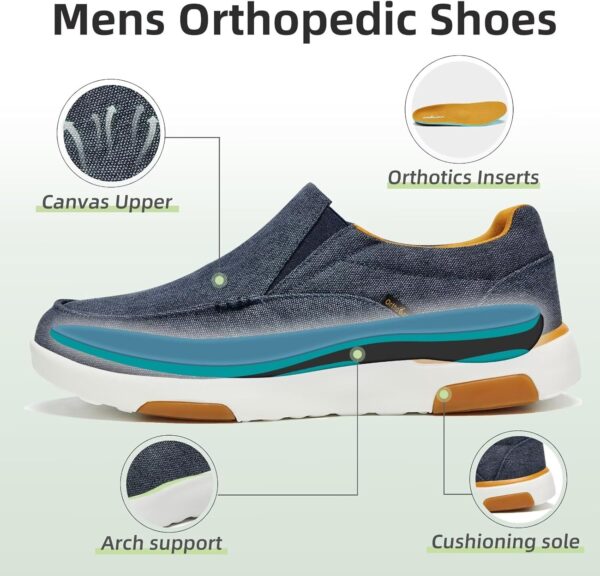
OrthoComfoot Men's Orthopedic Comfortable Slip-On Shoes with Arch Support, Orthotic Loafers for Plantar Fasciitis, Canvas Leisure Vintage Flat Walking Shoes for Foot and Heel Pain Relief
View
MagniLife DB Foot Cream, Calming Relief for Burning, Tingling, Shooting & Stabbing Foot Sensations - Soothes Dry, Cracked, Itchy, Sensitive Skin (4 oz Jar)
View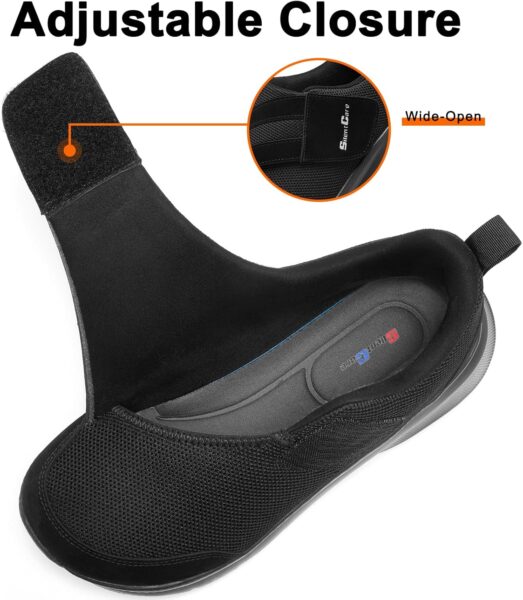
SILENTCARE Diabetic Shoes for Men Wide Toe Box Slip-on Shoes for Swollen Feet Adjustable Walking Shoes for Elderly Foot Pain Relief Neuropathy
View
06
Does Insurance Cover Diabetic Shoes?
Medicare Part B Coverage
Medicare Part B covers one pair of therapeutic shoes per year for people with diabetes who meet certain criteria. This coverage typically requires a prescription from your treating physician and a fitting by a qualified provider.
To qualify, you must have diabetes and at least one of the following conditions: foot ulcer history, prior amputation, peripheral neuropathy, foot deformity, or poor circulation.
After meeting your Part B deductible, you're typically responsible for 20% of the Medicare-approved amount. Many supplemental insurance plans also provide coverage. Check with your provider for specific benefits.
07
Common Questions About Diabetic Shoes
It depends on your individual situation. If you have good sensation in your feet, normal circulation, and no history of foot problems, quality supportive shoes may suffice. However, if you have neuropathy, circulation issues, or any history of foot ulcers, specialized diabetic shoes provide important protection features that regular shoes don't offer. Consult your podiatrist for personalized recommendations.
Most podiatrists recommend replacing diabetic friendly shoes every 8-12 months, or sooner if you notice significant wear. Worn cushioning and support can compromise the protective benefits these shoes provide. Check insoles regularly as they often need replacement before the outer shoe shows signs of wear.
Absolutely! Today's diabetic-friendly shoes come in a wide variety of contemporary styles, colors, and designs. Brands like Friendly Shoes have pioneered adaptive footwear that combines therapeutic features with modern aesthetics. You no longer have to choose between protection and style.
The terms are often used interchangeably. "Therapeutic shoes" is the technical term used by Medicare and healthcare providers, referring to footwear designed to accommodate special foot conditions. "Diabetic shoes" typically refers to therapeutic shoes specifically designed with features that protect diabetic feet from complications. Both should offer extra depth, protective interiors, and accommodation for orthotics.
Conclusion
The right footwear isn't just about comfort. It's a powerful tool for preventing diabetic foot complications and maintaining your independence and mobility. With proper diabetic friendly shoes and daily foot care, you can stay active and protect your feet for years to come.
Key Takeaways
Choose shoes with a wide, deep toe box, seamless interiors, and adjustable closures
Look for cushioned, removable insoles that can accommodate custom orthotics
Avoid high heels, flip-flops, and shoes with interior seams that can cause friction
Inspect your feet daily and never go barefoot, even at home
Medicare Part B may cover one pair of therapeutic shoes annually. Ask your doctor
Your feet carry you through life. With the right shoes and daily care, you can protect them and continue living an active, fulfilling life with diabetes.
Ready to Protect Your Feet?
Explore our collection of diabetic-friendly adaptive shoes designed for comfort, protection, and style.
More Articles to Explore
Discover more helpful guides and tips for healthy, comfortable feet.