
Having Good Shoes is a Must!
Good shoes matter for moving, exercising, staying active and getting out into the community. A nice pair is important not just for looking good but because shoes are your protective gear, like armor you put on before you head out.
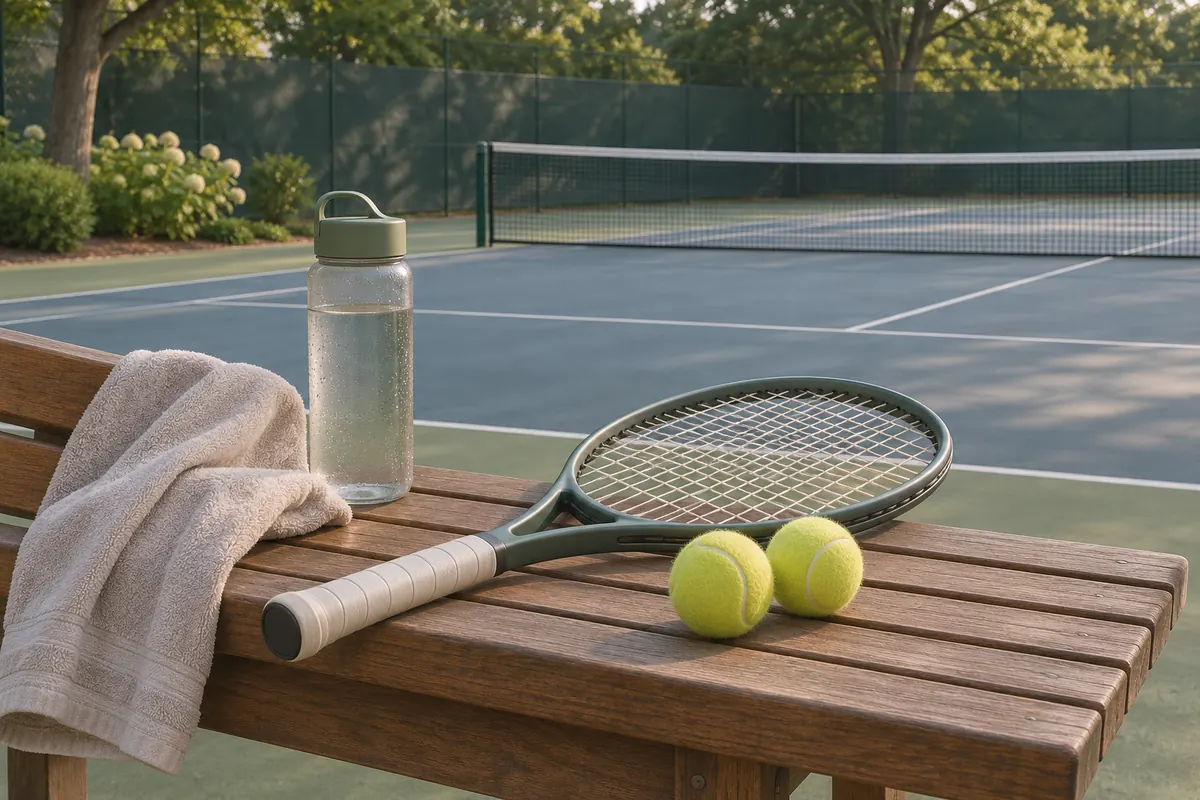
Whether you play a sport or are just trying to work out, a good shoe is a must. I still clearly remember learning tennis as a kid in plain old sneakers. Tennis is hard on the body, because you have to stop hard on your feet as you run for the ball. I was practicing passing shots, staying low and running from corner to corner when I heard a pop. I had rolled my ankle and sprained it, and the pain made me shout. It took me a long time to recover, not only physically but mentally as well. Proper tennis shoes might have prevented it, which is why the right pair matters so much.
Why is it so important?
An injury can cost you the championship you dreamed of in your favorite sport, or set back your goal weight if you are trying to lose weight. Good shoes are worth the investment, both to help avoid injuries and to make every activity more enjoyable. Shoes that don’t fit are unpleasant and can even be painful for your joints. As an Occupational Therapist, my job is to treat people who are ill, injured or disabled. I help them recover and improve their physical function so they can manage everyday tasks and get back to normal life after an accident. Because I am always standing, stooping or supporting patients, I need a well-cushioned shoe that helps prevent foot fatigue. Standing all day in ill-fitting footwear can contribute to bunions and calluses. My patients need shoes that support them through their injuries too, with arch support, heel cushioning or shock absorption. Breathability, flexibility and easy access matter as well. The right shoe is essential when you are recovering from an injury or living with one.
What do Good shoes have in Common?
What makes a shoe good depends on your needs. Wear and tear is hard on your feet, so you need to look after them. A shoe that doesn’t fit can also cause problems, for example by restricting blood flow, or lead to injuries, so getting the right fit is vital. Choosing shoes is a bit like choosing a life partner: there is a lot to consider. Put fashion and style in the back seat and make function and comfort the priority. A good pair should be adjustable, with easy to fasten straps, Velcro or laces, so you can change the fit. You need some breathing room so the shoe isn’t too tight. Most of us also want extra protection: more rubber, cushioned ankles and extra support that protect the toes and heels from scuffs and rubbing. The shoe should be stable and roomy enough too. Above all, comfort comes first. Since we keep encouraging you to work out for better stability and overall wellness, protect your feet as well as you can, with a shoe that is comfortable yet sturdy enough to help prevent slips, trips and falls.
What are some shoe-donning strategies to assist you?
You might be scratching your head, or laughing, at the idea of tips for putting on shoes. You’re not a kid anymore, and you could do it with your eyes closed. But there are ways to do it that help you avoid discomfort and even injury. Just as there is good posture, there is a right way to put on your shoes. Here are some strategies to master. First: bring your foot or ankle onto your knee, rotate your hip, put the shoe on and close the zip. Gentle, fluid movement is important. This is especially worth following if you are older, have a disability or are injured, because a strain here can set you back. Second: place your foot into the middle opening, turn your heel in and zip it closed. Footstools or footrests help people who have trouble reaching their feet. They take pressure off your legs and help you avoid straining your lower back as you reach down. Third: without bending, slide your foot in through the middle opening and turn it in. No zipping is needed, because our Easy Shoe Access stays fixed on your foot, and leaving it open is extra breathable for short distances. Mastering these techniques helps now and supports your wellness in the long run.
Why are we giving you some of these strategies and why are we telling you what a good shoe is?
Because we care about you and your well-being. Whatever the activity or the setting, good shoes should at least provide slip resistance and support. They must be comfortable (feel and look good enough that you want to wear them), and, don’t sleep on this part as it’s a major barrier for millions of Americans, you must be able to put them on with ease. If putting on the shoes you need to stay active feels like a chore, explore the options and strategies we share here to make it easier. At the end of the day, take care of your feet, because when they hurt, life is less enjoyable. This is not only a call to action but a plea: we want you to stay safe and stay out of the hospital.
To find shoes that are easy to put on, start with our complete guide to adaptive shoes, or see our guides to velcro shoes for adults and zipper shoes.