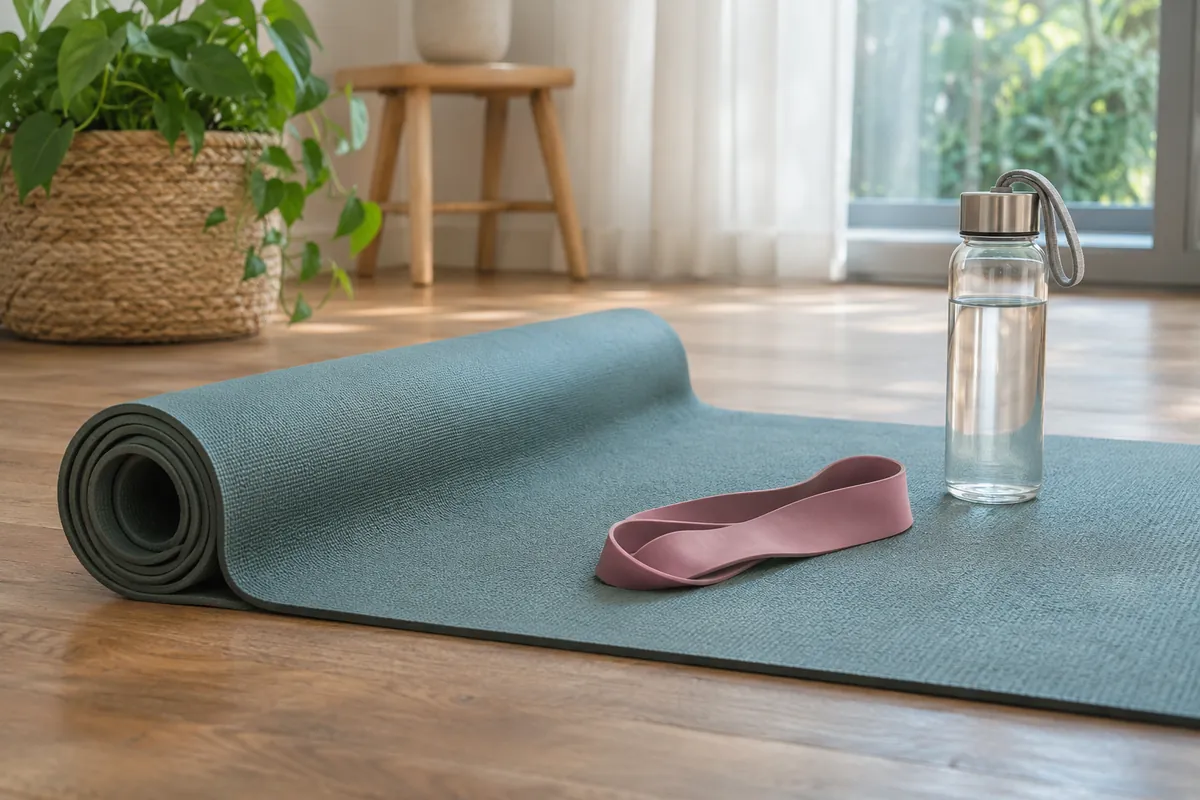
Simple Home Exercises
When the coronavirus pandemic hit the world, we all faced the challenge of keeping ourselves healthy.
With the virus spreading and lockdowns failing to flatten the curve as fast as we hoped, many of us asked: what can we do?
The truth is that we can only control what we can control, and one of those things is getting ourselves to work out. Yes, during the lockdown we were stuck at home and couldn’t even run around the block. But staying active is one of the best things we can do for our health.
Keeping our bodies strong and in shape helps us stay healthy. Yet we always have plenty of excuses to skip exercise: it’s tiring, and a trip to the gym takes up valuable hours.
But with most of us stuck at home, we had more time than ever. All we needed was a strong mindset and a good kick in the butt to get going.

How can we motivate ourselves?
Getting motivated is the hard part. Feeling sluggish and unmotivated can hold us back.
At home we feel relaxed and comfortable, and all we want is to rest. With so many Netflix movies and series to binge, it can be hard to drag ourselves off the couch.
But exercise matters, especially now. Our suggestion: find your reason. Build a strong mindset and set yourself a goal.
A loud inner voice will tell you to skip it and stay in bed, but you have to snap out of it. Keep in mind that you are doing it to “Stay at Home and to Stay Out of the Hospital”.
And remember that Motion is Medicine. Things in motion tend to stay in motion, so keep moving and living actively no matter what. If your motivation is to look better, that’s fine too, and it may even make your drive stronger.
Working out can build muscle and tone your abs, and it releases endorphins that help you feel good about yourself.
It isn’t all about looks, though. Our goal is for you to be in better shape for overall wellness. Weak abdominal muscles can make you more prone to back strain and injuries.
Strong abs help stabilize and brace the spine, and a strong core also gives you better stability, which helps you avoid trips and falls.
We could go on and on, but you get the point.
Exercises We Recommend:
These are easy exercises that focus on stability, with one goal: to help keep you out of the hospital. They are good for beginners and for all ages. If you have a health condition or an injury, check with your doctor or physical therapist before you start.
Done regularly, they can improve your muscle strength and endurance. If you are already fit you may find them boring, but it’s always good to go back to basics, right?
1) Shallow Knee Bends: (partial bodyweight squat: bend your knees and straighten) Shallow knee bends build strength in the muscles on the front of your thigh, the ones you walk and stand with.
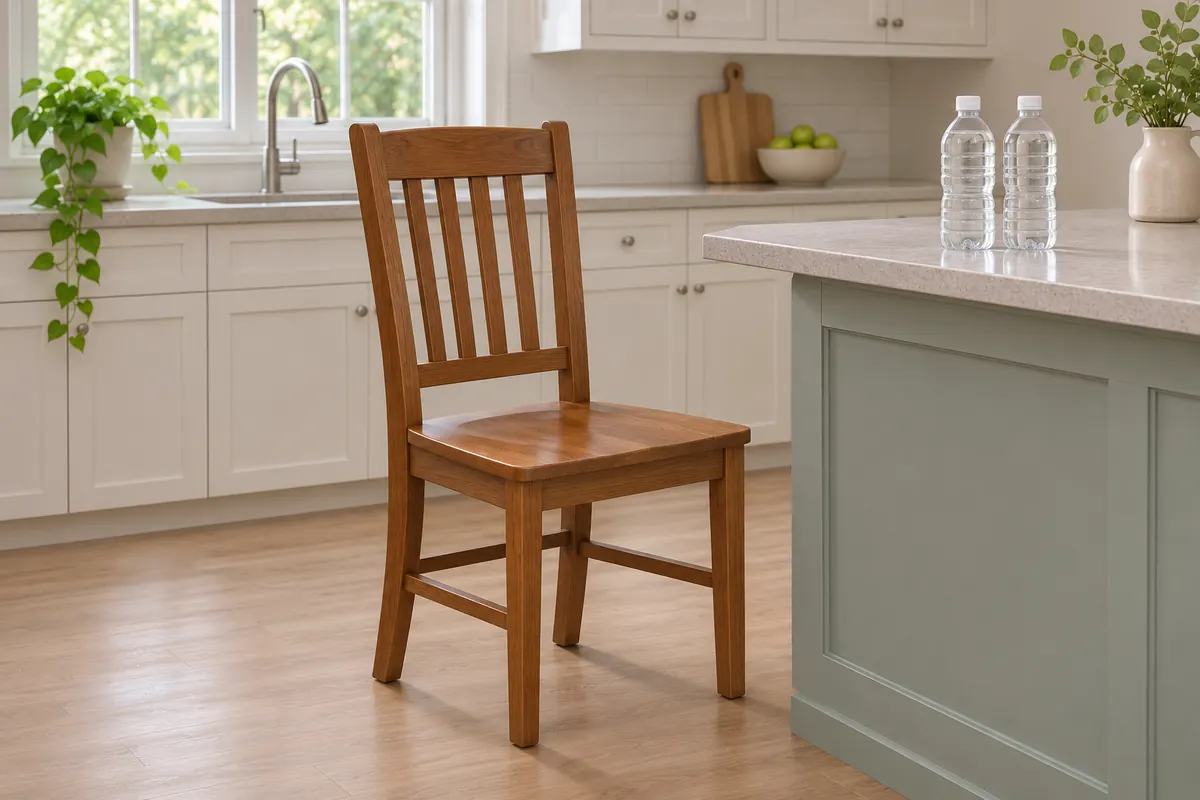
We suggest holding on to a chair while you do them, keeping your back straight.
Sets: 3 Repetitions: 8-12 Reps
Stand with your hands resting lightly on a counter or chair in front of you, feet shoulder-width apart. Slowly bend your knees and lower yourself as if you were about to sit in a chair.
Make sure your knees don’t go past your toes. Lower yourself about 15 cm (6 in.), keeping your heels on the floor. Rise slowly back to standing.
2) Front Shoulder Raises:
If you don’t have dumbbells, you can use two bottles of water, or simply reach up to the top of your closet. This exercise is good for beginners and helps keep your shoulders working in functional movement patterns.
It builds strength and definition in the front and sides of your shoulders, makes your arms more flexible and gives you stronger shoulders for lifting things safely.
Sets: 3 Repetitions: 8-12 Reps
Lift your arms up in front of you to reach the top of the closet. Or follow these steps: stand with your feet about shoulder-width apart.
Keep your back straight and your feet flat on the floor. Let your arms hang down holding the weights across your thighs, palms facing back toward your thighs. Grip firmly and brace your abdominal muscles.
Breathe in as you lift the weights up in front of you, palms facing down. Keep a slight bend in your elbows to reduce stress on the joints. Pause when your arms are about level with the floor and feel your shoulders working.
Breathe out as you lower the weights back to your thighs, slowly and with control.
3) Sit to Stand Transitions: (stand up and sit down)
Sit to stand is a simple but effective exercise that almost anybody with a chair can do. You start sitting and move to standing. Sounds easy, right?
For people with weak legs, knees or bones, or serious back problems, it can be a challenge. This simple exercise strengthens your legs and butt and helps protect your spine.
Stronger leg muscles help your posture and make climbing stairs and riding a bike easier. They also mean better balance, which helps you avoid falls.
Sets: 3 Repetitions: 8-12 Reps
Sit in a chair of your choice and slide forward as far as you can. Move your feet back so your heels line up with the front edge of the chair. Use your butt and legs to stand up, lightly using your hands on the chair if you need to.
Why do them regularly? Because they are simple, we hope you will make them a habit, and they can do wonders. They are low impact and easy on your joints and muscles, so beginners don’t need to worry.
Over time you will build the strength and endurance for harder workouts. In the meantime, these simple exercises are a great place to start at home. Again, we want you to stay at home and stay out of the hospital.
Related guides
For more on staying steady, see our posts on fall prevention and our guide to adaptive shoes for seniors.