Tidy House is Safer House
In this series, we have been looking at ways to save yourself a trip to the hospital. Much of it is about staying safe out in public, but your own home has risks too: clutter in the way and slippery floors can make you slip or trip.
Slips and trips can lead to serious injuries, and sometimes even death. Accidents happen, but many of them can be avoided.
According to the Occupational Safety and Health Administration (OSHA), slips, trips and falls cause nearly 700 deaths a year, and that is in the workplace alone. Home is not automatically safer.
Earlier in this series, we shared simple exercises to improve your stability and endurance. Done regularly, they can do a lot for your overall well-being.
They can make you steadier and give you the stamina to stay in control of your movements, which helps prevent falls. But there is more you can do to avoid accidents at home.
What Should We Do?
When you spend more time at home, it is a good moment to put things in order, declutter and tidy up. Why?
Because nobody wants to slip or trip around the house. According to OSHA, slips happen when there is not enough friction or traction between your feet and the surface you are walking on.
Common causes of slips include wet or oily floors, spills, loose or unanchored mats, and flooring that does not have the same traction everywhere. Trips happen when your foot hits an object and you lose your balance.
At work, people trip over clutter in walkways, in poor lighting, over uncovered cables, on drawers left open and on wrinkled carpets or rugs. To help prevent slips and trips at home, clean up spills right away and make sure the floor is no longer slippery.
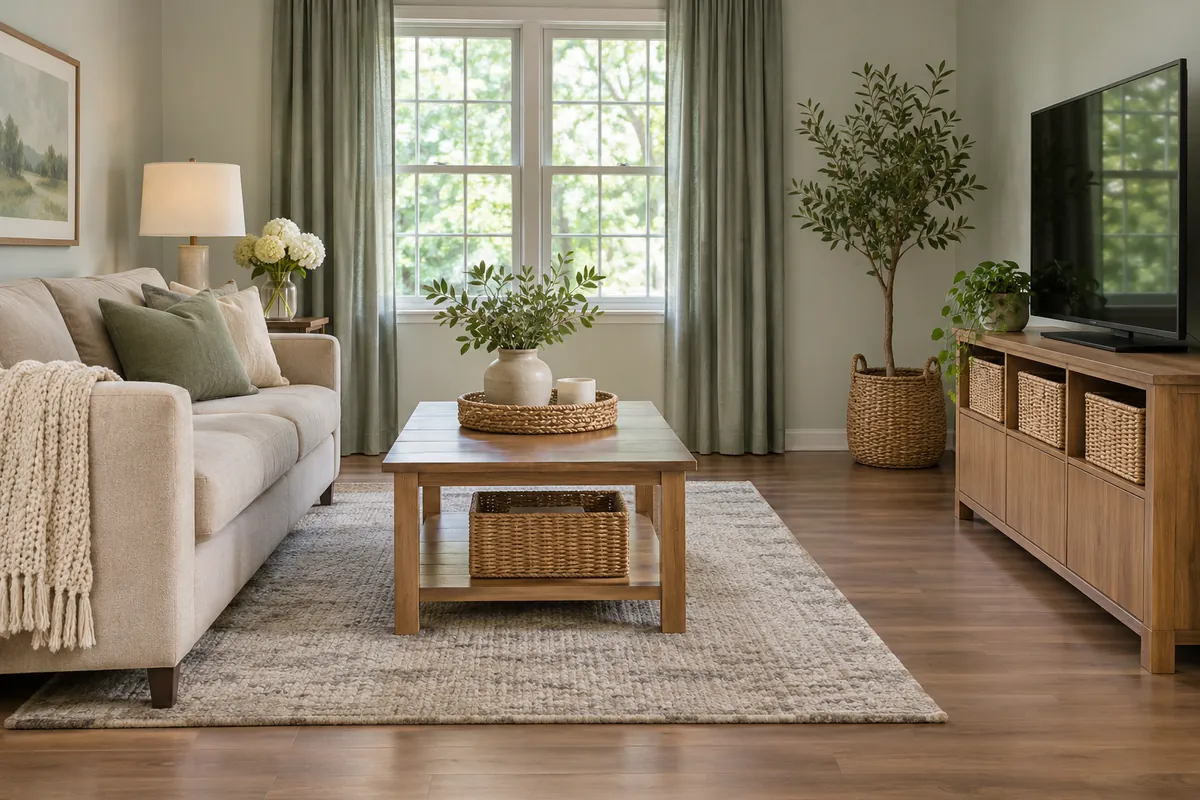
Keep walkways free of clutter and obstacles. Clear walkways quickly reduce the chance of injury. Keep stairs clear and well lit, with nothing loose left on them.
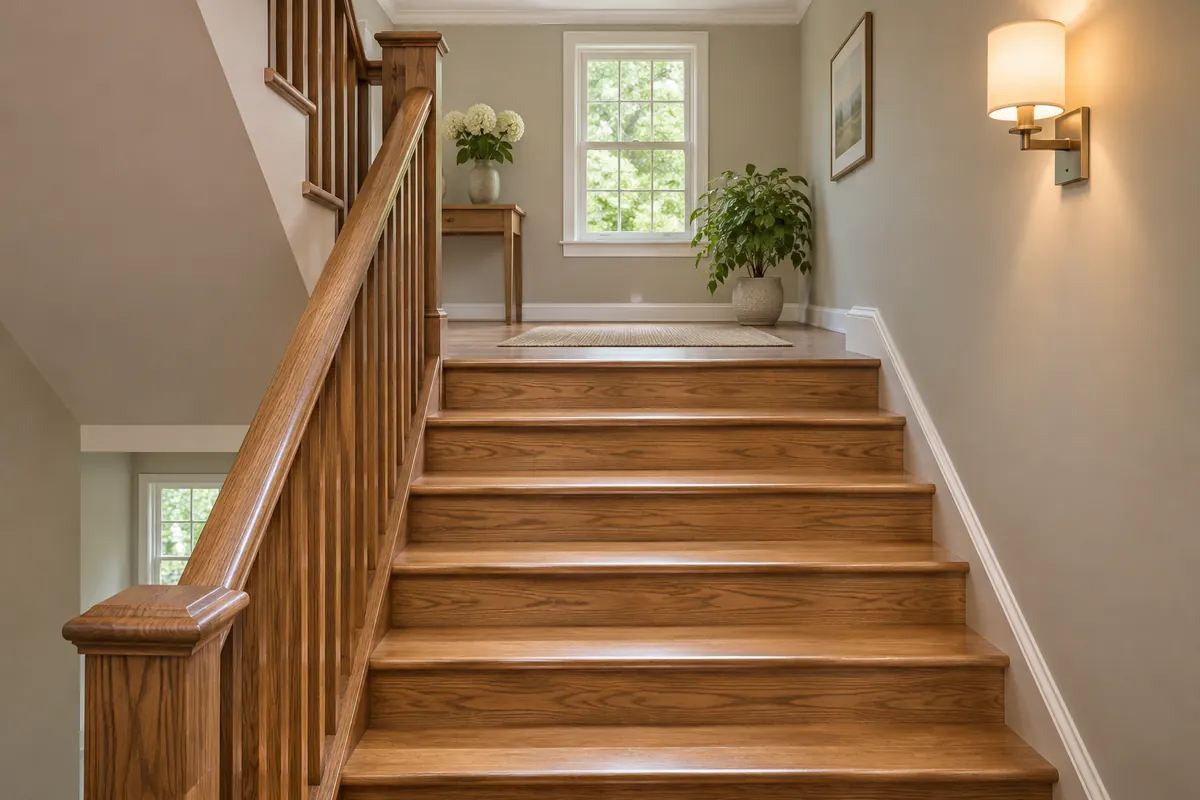
Shut closet and desk drawers when you are not using them. Cover or tuck away cables and cords that cross walkways, and use cable clips to keep them neat. You could also add non-slip floor mats or replace worn flooring.
Finally, make sure your home is well lit. These steps let you move around your home with more confidence.
It is easy to blame carelessness or clumsiness, but many accidents can be prevented with these steps.
Why Should We Declutter?
So it pays to put your house in order. You may be careful, and it may never have happened to you, but what about children playing around the house, or older family members?
Children are still developing their coordination and can trip over things in their way. Older relatives may not see obstacles clearly, and a fall can mean a trip to the hospital, which is something everyone wants to avoid.
Decluttering has other benefits too. Most of us own more than we need, and the extra stuff turns parts of the home into a mess. Many people find that clearing it out helps them feel calmer and think more clearly.
When you feel anxious about the future, tidying up can be a small thing you control. A calmer mind can also leave more room for creativity.
In Spark Joy: A Master Class on the Art of Organizing and Tidying Up, Marie Kondo writes that life truly begins only when you put your house in order.
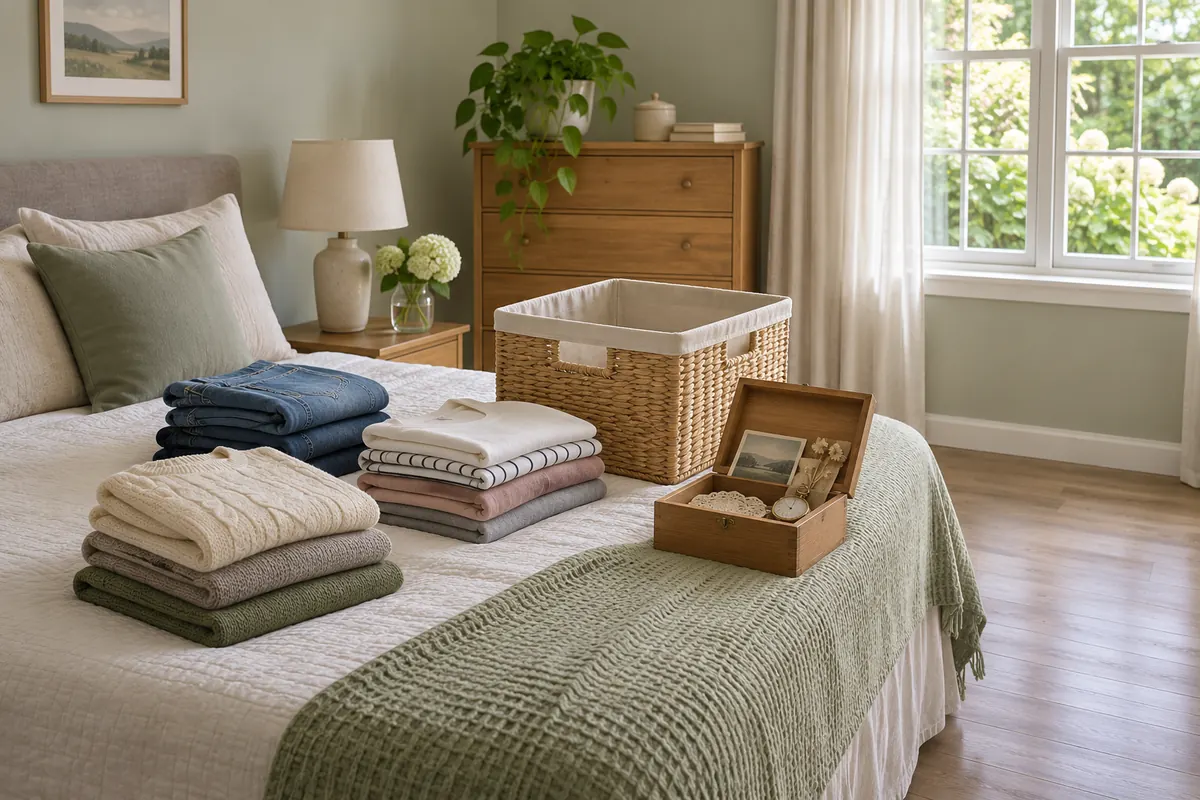
That does not mean throwing everything out. Kondo’s advice is to choose the things that spark joy, as the way to reach your ideal lifestyle. If you are confident that something brings you joy, keep it, whatever anyone else says.
Even an ordinary, imperfect object becomes precious when you use it with care and respect. The more you go through this selection process, the better you get at recognizing what brings you joy.
According to Kondo, this not only speeds up your tidying but also sharpens your decision-making in other areas of life. Taking good care of your things leads to taking good care of yourself.
What can we learn from it?
Clearing things up can prevent injuries, and it can help you feel better too.
It takes time and effort, and it is never quite finished, but taking care of your home is also a way of taking care of yourself. Deciding what to keep and what to let go of can be hard, so follow Marie Kondo’s advice and keep what sparks joy.
If something makes you smile or brings back good memories, keep it. Let go of the things you do not need. Your emotional and mental well-being can benefit too.
Once you start tidying, you lower the chance of a fall that sends someone you love to the hospital, and you may find some joy along the way. We hope you do it because you care about your family and want them safe.
Then you can rest easier, knowing you have done what you can to keep your loved ones safe. In the end, isn’t that what we all want, to protect our friends and family?
For more on staying steady at home, see our guides to fall prevention, simple home exercises and adaptive shoes for seniors.