Velcro Shoes for Adults and Seniors: What to Look For
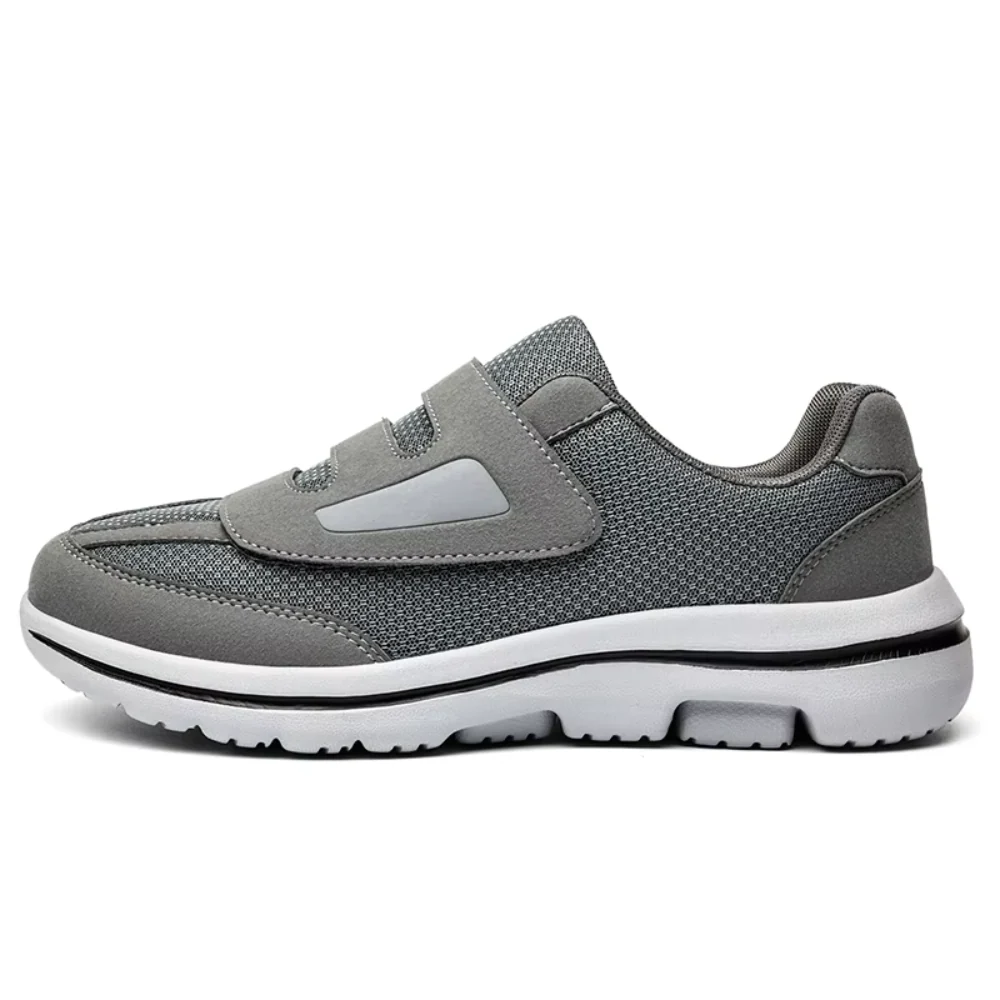
Laces get harder with age. Stiff fingers, arthritis, poor eyesight, a bad back or a weak hand after a stroke can turn tying shoes into the hardest part of getting dressed. Velcro shoes for adults (hook and loop shoes) fix that: you open the straps, slide the foot in and press the straps closed, with one hand if needed. This guide covers who they help, what to look for in a good pair and our wide, adjustable velcro shoes for women and men.
This guide is general shopping advice, not medical advice. If you have diabetes, an ulcer, a brace or a foot condition, ask your doctor, podiatrist or orthotist which shoes suit you.
Who velcro shoes help
- Seniors who find bending down and tying laces tiring or unsafe. See our guide to adaptive shoes for seniors.
- People with arthritis in the hands or fingers, where small knots hurt. See rheumatoid arthritis and shoes.
- Stroke survivors who dress with one hand. See shoes for stroke patients.
- People living with dementia, and the carers who help them, because straps are simpler than laces. See shoes for dementia patients.
- People with swollen feet, because straps can be loosened as the swelling changes. See shoes for swollen feet.
- AFO and brace wearers, who need a shoe that opens wide and closes over the brace. See buying shoes with AFO braces.
Why velcro shoes can be safer than laces
Loose laces are a trip hazard, and many people who struggle with laces end up in backless slippers or shoes they never fully fasten. The NHS advice on preventing falls is to wear shoes or slippers that fit well, do not slip off and have a good grip. A velcro shoe makes that easier: it is quick to fasten properly every time, and it holds the heel in place instead of flopping off like a mule.
What to look for in velcro shoes for adults
1) Two adjustable straps. Two straps hold the foot better than one and let you set the fit at the top and the middle of the foot separately. Long straps that fold back on themselves are easier to grip than short tabs.
2) A wide opening. The shoe should open far enough that the foot goes in without forcing, which matters for swollen feet, stiff ankles and braces.
3) A wide, roomy toe box. A rounded toe with room to spread avoids rubbing on bunions, hammertoes and swollen toes.
4) A secure heel. The heel should stay put when you walk. A shoe that slips at the heel is a falls risk.
5) A non-slip, cushioned sole. Look for a grippy outsole that is not too thick or rocker shaped, and enough cushioning for standing and walking.
6) Light weight and breathable uppers. A light mesh shoe is easier to lift with each step and stays cooler than heavy leather.
Velcro shoes for women
- Hook and Loop Black Mesh Wide Women’s Shoe: two adjustable straps, a generous toe box and breathable mesh on a light, cushioned, non-slip sole
- Hook and Loop Gray Mesh Wide Women’s Shoe: the same wide, adjustable fit in gray
- Hook and Loop Red Mesh Wide Women’s Shoe: the same fit in red
See all adaptive shoes for women.
Velcro shoes for men
- Hook and Loop Black Mesh Wide Men’s Shoe: two adjustable straps, a wide fit and a light, cushioned, non-slip sole
See all adaptive shoes for men.
Velcro or zipper shoes?
Both remove laces. Velcro straps adjust the fit through the day, which suits swollen feet and braces. A zip opening, like the Easy Shoe Access zip on our sneakers and boots, lets you set the laces once and then open the whole shoe wide to step in. If you want the look of a laced sneaker, see our guide to zipper shoes.
Tips for getting the right fit
- Measure in the afternoon, when feet are largest. Our foot sizing guide shows how to measure at home.
- Sit down to put shoes on. Open both straps fully first, then slide the foot in and fasten the lower strap before the top one.
- If one foot is a different size, our single or split size shoe program lets you order a different size for each foot.
- Keep the hook side clean. Brushing out lint now and then keeps the straps gripping well.
- Buy where you can return. Friendly Shoes can be returned within 30 days if lightly worn indoors (see our returns policy).
Related guides
- Adaptive shoes for seniors
- Shoes for stroke patients
- Shoes for dementia patients
- Shoes for swollen feet
- The complete guide to adaptive shoes
Frequently asked questions
Are velcro shoes good for seniors?
Yes, for many seniors. They are quick to fasten without bending for long or using fine finger movements, and a well fitting velcro shoe stays on better than a slipper. Choose a pair with a secure heel and a non-slip sole.
Do they make velcro shoes for adults?
Yes. Velcro (hook and loop) shoes are made in adult sizes for women and men, often in wide fits for people with swollen feet, bunions or braces. Our hook and loop mesh shoes come in women’s and men’s sizes.
Are velcro shoes good for arthritis?
They are often easier than laces for people with arthritis in the hands, because you press the strap closed instead of tying a knot. A wide toe box and cushioned sole also help sore feet.
Can you wear velcro shoes with an AFO?
Many people do, because the straps open wide and adjust over a brace. Bring your AFO when you measure, and choose a wide, deep shoe. See our tips for buying shoes with AFO braces.
How do I stop velcro straps from wearing out?
Fasten the straps fully before you walk so the hook side does not catch on socks or clothes, and brush lint out of the hooks from time to time.