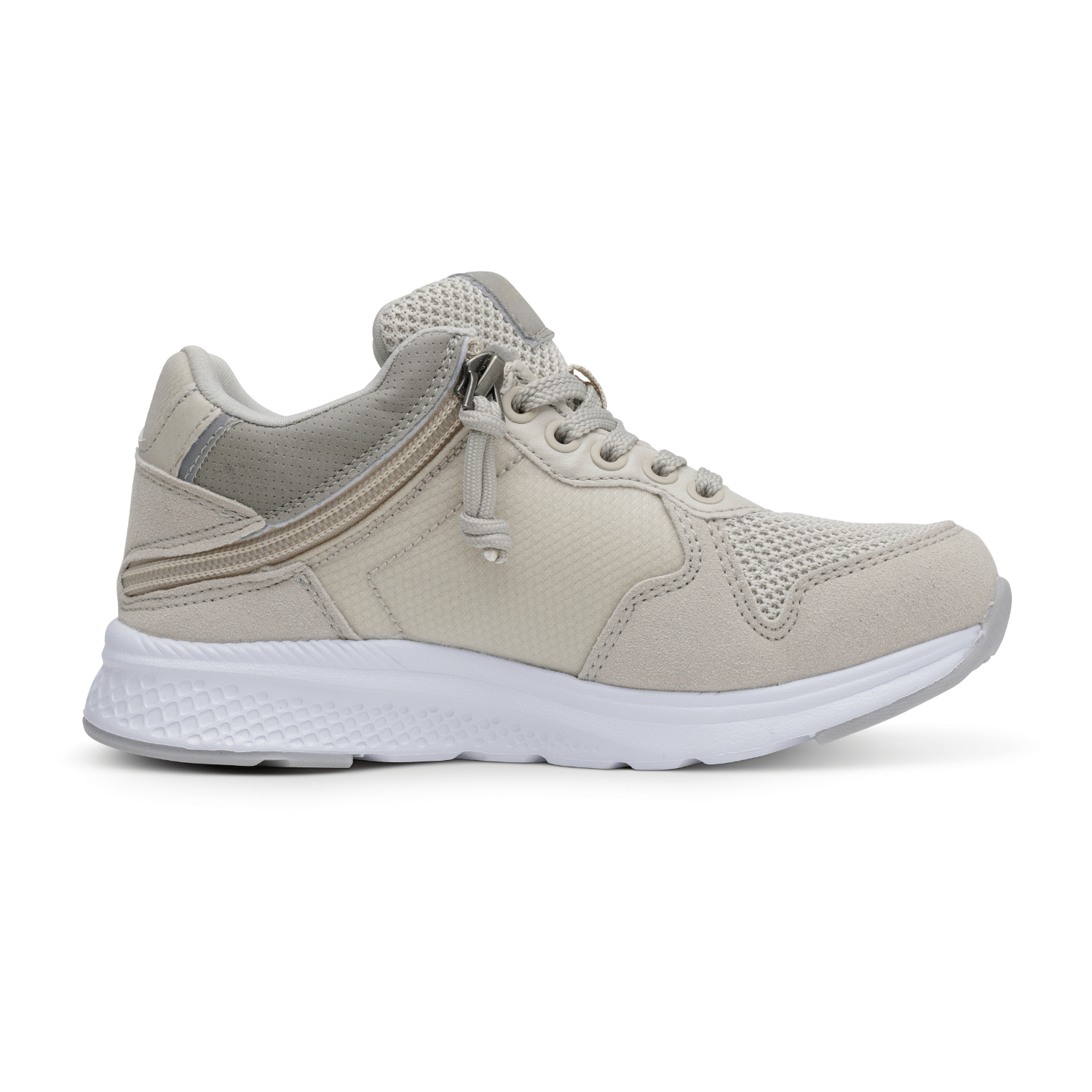
Adaptive Shoes for Seniors: Easy On Shoes for Elderly Men and Women
For many older adults, shoes become a daily struggle. Bending down to tie laces gets harder, stiff fingers fumble with small fastenings, feet swell or widen, and a slip on the stairs feels like a bigger risk than it used to. Adaptive shoes for seniors are built to solve exactly these problems: they open wide, close in one motion and hold the foot securely. This guide explains what to look for in easy on shoes for elderly men and women, what to avoid, and how caregivers can make getting dressed easier.
This guide is general shopping advice, not medical advice. If balance, foot pain, numbness or swelling is a concern, talk to a doctor, podiatrist or physical therapist.
Why ordinary shoes get harder with age
- Bending and reaching. Stiff hips, knees or a sore back make it hard to reach the feet, especially to tie laces.
- Hands. Arthritis, a tremor or weaker grip make laces and small buckles slow or impossible.
- Feet change. Feet often get wider and flatter over time, and many older adults have some swelling by the end of the day.
- Balance. Slower reactions and weaker muscles make a loose or slippery shoe more of a risk.
- Conditions. Stroke, Parkinson’s, dementia, diabetes and arthritis each add their own needs (see the guides linked below).
What to look for in adaptive shoes for seniors
1) A wide opening. A zip at the back or front, or a hook and loop strap that opens the whole top of the shoe, lets the foot slide in without forcing. This matters most when feet are swollen or stiff. See our guide to zipper shoes.
2) A closure that works with one hand. A zip with a large pull, or hook and loop (velcro) straps, close in one motion. On zip sneakers you set the laces once and leave them.
3) A secure heel. The shoe should hold the heel so it does not slip off. The NHS advice on preventing falls is to wear shoes or slippers that fit well, do not slip off and have a good grip.
4) A low, grippy sole. A low heel and a slip resistant outsole help on smooth floors. For someone who shuffles, a sole that is not too thick or sticky at the toe is usually easier to walk in.
5) Width and depth. Extra room across the toes and over the top of the foot makes space for swelling, bunions, orthotics or a brace.
6) A removable insole. It lets you use a custom orthotic or a diabetic insole, and makes room for a brace.
7) Light weight. A heavy shoe is tiring to lift and can make a shuffle worse.
What to avoid
- Backless slippers and slides for walking around the house: they slip off and catch on steps. A closed slipper or indoor shoe with a back is safer.
- Socks or tights alone on smooth floors.
- Worn out soles that have gone smooth.
- High or narrow heels and very soft, wobbly soles.
- Shoes bought a size too big “to make them easier to get on”. A wider fit or a bigger opening is better than a longer shoe.
Easy on shoes for elderly men
Men often need a wide fit and a plain, everyday look. Zip sneakers with a rear opening let the foot go in from behind, which is easier for big or stiff feet. Hook and loop shoes suit anyone who cannot manage a zip pull.
- Men’s Excursion Onyx Wide: patented rear zip, extra width
- Men’s Excursion Deep Sea: patented rear zip
- Men’s Voyage Shiitake: front zip
- AFO Friendly Hook and Loop Black Mesh Wide Men’s Shoe
See all adaptive shoes for men.
Easy on shoes for elderly women
- Excursion Navy Wide Women’s Shoe: patented rear zip, extra width
- Voyage Shiitake Women’s Shoe: front zip
- AFO Friendly Hook and Loop Black Mesh Wide Women’s Shoe
See all adaptive shoes for women.
All Friendly Shoes have removable dual density memory foam insoles and slip resistant soles. Need a different size for each foot? See the single or split size shoe program. Shoes can be returned within 30 days if lightly worn indoors (returns policy).
Shoes for specific conditions
- Dementia: simple, familiar shoes that are hard to put on the wrong way. See shoes for dementia patients.
- Stroke: one handed closures and room for an AFO. See shoes for stroke patients.
- Parkinson’s: light shoes with soles that grip without catching. See our Parkinson’s shoes guide.
- Diabetes: seamless linings, depth for insoles and daily foot checks. See our diabetic shoes guide.
- Wheelchair users: shoes that go on while seated and leave room for swelling. See shoes for wheelchair users.
- Braces: see shoes that fit over AFOs and SMOs.
Tips for caregivers
- Have the person sit in a sturdy chair with arms, not on the edge of the bed.
- Open the shoe fully before you start.
- Use a long handled shoe horn to guide the heel in.
- Put shoes on in the morning, before swelling builds, when you can.
- Let the person do as much as they can themselves. A shoe they can close on their own keeps independence.
- Check feet regularly for red marks, blisters or swelling, especially with diabetes.
No shoe can prevent falls on its own. Good footwear is one part of staying safe, alongside strength and balance exercise, eyesight checks and a tidy home. Read more in our fall prevention guide, and for the full picture of adaptive footwear, see our complete guide to adaptive shoes.
Frequently asked questions
What are the best shoes for elderly people?
Shoes that fit well, stay on, have a good grip and are easy to put on: a wide opening, a zip or hook and loop closure, a secure heel, a low slip resistant sole and room for swelling.
What are the easiest shoes for seniors to put on?
Shoes that open wide and close in one motion, such as zip sneakers with laces set once, or hook and loop shoes. Sitting down and using a long handled shoe horn helps too.
Are slip on shoes safe for the elderly?
Slip ons with a back and a secure heel can be fine. Loose, backless slip ons and slippers are riskier because they can slip off or catch on a step.
Are velcro shoes good for seniors?
Yes. Hook and loop straps are easy for stiff or weak hands and can be loosened for swollen feet. Make sure the straps hold the heel firmly.
Should elderly people wear shoes in the house?
Many find a closed indoor shoe or a slipper with a back and a grippy sole safer than socks or backless slippers on smooth floors.